

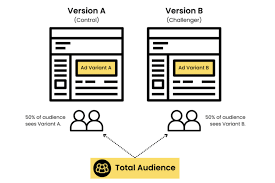
Description
A/B testing for ads
1. What is A/B Testing for Ads?
A/B testing for ads (also called split testing) is the process of comparing two or more variations of an advertisement to determine which version performs better with the target audience. It allows marketers to optimize ad creatives, copy, targeting, and formats for higher engagement, conversions, and ROI.
This includes:
-
Testing different ad copies, headlines, visuals, or videos
-
Comparing call-to-action buttons, captions, or offers
-
Evaluating audience targeting segments and placements
-
Measuring performance based on clicks, conversions, engagement, or sales
2. Key Objectives
-
Identify the most effective ad variations
-
Maximize return on ad spend (ROAS)
-
Reduce wasted budget on underperforming ads
-
Improve click-through rates (CTR) and conversions
-
Inform future campaign strategies with data-driven insights
3. Components of A/B Testing for Ads
| Component | Description |
|---|---|
| Test Planning | Define goals, metrics, and variations to test. |
| Ad Variations | Create multiple versions of visuals, copy, headlines, or CTAs. |
| Audience Segmentation | Divide target audience to test ads under similar conditions. |
| Performance Tracking | Monitor metrics like CTR, engagement, conversions, and ROI. |
| Analysis & Optimization | Identify winning variations and implement insights in live campaigns. |
4. Tools Commonly Used
-
Advertising Platforms: Facebook Ads Manager, LinkedIn Campaign Manager, TikTok Ads, Google Ads
-
Analytics Tools: Google Analytics, Meta Pixel, UTM tracking
-
Optimization Tools: AdEspresso, Hootsuite Ads, SEMrush Ads
5. Benefits
-
Increases ad effectiveness and engagement
-
Reduces ad spend wastage by focusing on high-performing ads
-
Provides data-driven insights for creative and strategy improvement
-
Enhances campaign ROI and conversions
-
Supports continuous testing and learning for long-term ad success
Reviews
There are no reviews yet.