

Description
Infographics & visual content
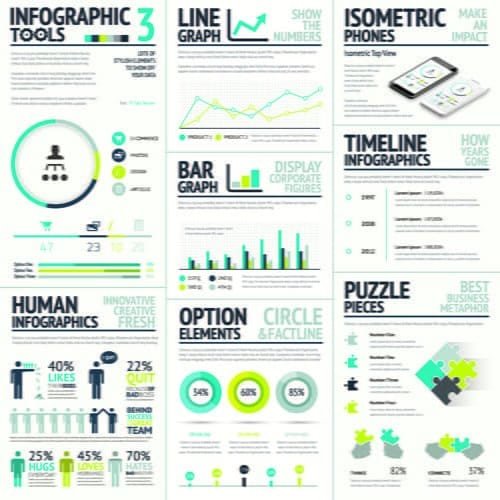
Infographics & visual content involve creating visually appealing graphics that simplify complex information, data, or ideas into an easy-to-understand format. These visuals are designed to communicate messages quickly, engage audiences, and enhance brand visibility across digital and print channels.
This includes:
-
Infographics (data visualization, statistics, processes)
-
Charts, graphs, and diagrams
-
Visual guides and step-by-step tutorials
-
Social media visuals and posts
-
Presentations and slides
2. Key Objectives
-
Transform complex data or concepts into visually digestible content.
-
Increase audience engagement and retention.
-
Strengthen brand identity through consistent visual style.
-
Support content marketing and campaigns with shareable visuals.
-
Facilitate educational and informational communication effectively.
3. Components of Infographics & Visual Content
| Component | Description |
|---|---|
| Data Visualization | Presenting statistics, comparisons, and trends clearly. |
| Illustrations & Icons | Custom graphics that enhance understanding and aesthetics. |
| Typography & Layout | Clear, readable fonts and organized design for better comprehension. |
| Branding Elements | Colors, logos, and style consistent with brand guidelines. |
| Interactive Visuals | Optional interactive charts or elements for digital platforms. |
4. Tools Commonly Used
-
Adobe Illustrator / Photoshop – Professional graphic design
-
Canva / Visme / Piktochart – Quick infographic creation
-
Figma / PowerPoint / Keynote – Presentations and visual guides
5. Benefits
-
Makes information easy to understand at a glance.
-
Enhances social media engagement through shareable visuals.
-
Strengthens brand recall and recognition.
-
Supports educational, promotional, and marketing campaigns.
-
Improves website and content marketing performance with visually appealing assets.
Reviews
There are no reviews yet.